There’s a whole lotta love coming out of Oklahoma

20130812_131340_resizedBook Review: Transitions: A Nurse’s Education About Life and Death by Becki Hawkins.

Some of you may remember an old post I wrote called Someone Else Wrote My Book: What Now? where I expressed some angst at the discovery that a hospice nurse/chaplain from Oklahoma had just published the book I was trying to write.   Well, after a year of dark muttering in my cups I finally read Transitions: A Nurse’s Education About Life and Death by Becki Hawkins and loved it.  Loved.

Her book brought it all back to me again in the best way, what it used to feel like when I worked with hospice and how the people I served strengthened, nourished, and changed me.  Transitions provides an authentic portrayal of the endless number of ways that people face catastrophic illness and death, not in a clinical or grisly way, but in terms of the beautiful and vulnerable humanity that inevitably surfaces.

More poignant still, Becki reveals the transformative power generated by something as simple as accepting the overwhelm and grief of another human being.  There are some terrific reviews over on Amazon that do a better job than I could at describing her gentle, loving handling of the subject matter (especially the one titled Nurse Conquers Attack Geese, Copperheads, Sceptics which I wanted to copy and paste in full here but didn’t for fear of getting caught) so I won’t try and cover that ground again.  I’ll just mention a few of the particular reasons why I loved the book so much myself.

Number one, Becki’s career spanned decades and her stories are written through the eyes of someone who’s seen people die from a lot of different things, something that’s actually pretty rare.  I got to take the journey again with her as she evolved and changed through the work and it took me right back to the mystery, magic, and intense vulnerability one experiences while roaming the dying rooms.  The way that each person winds up teaching what an extraordinary, mind blowing feat it is to live an entire life from beginning to the very end.

There is no such thing as a boring life, just boring ways to talk about it (something one encounters both in and out of hospice.)  But with some practice, good listening skills can overcome that problem and Becki’s clearly a master listener.  She draws out the thoughts of those she worked with in a way that allowed a quality of luminous, trembling soul to shine through and the book is full of the kind of dignity and strength that results from that level of respect.

Which brings me to the second reason I loved the book.  Becki not only captures the full range of experiences of what it’s like to work with the ill and dying, she captures it in the abundant charm of the Oklahoma vernacular.  She has quite an ear for the spoken word and delivers her stories in an enjoyable blend of modern medical language and the older, traditional language of her people. For me, the book was as much a loving portrayal of the culture and people of rural Oklahoma as it was of their health status, and when reading her stories I felt like I was peering in through a window to catch glimpses of an old wisdom tradition passed down through the generations.

A quick head’s up for those who are not of a religious bent, a lot of this wisdom tradition is couched in the religious terms of the region and from a couple of reviews I read this was a stumbling block for some people.  It was actually part of the reason it took me so long to read the book myself but as I got to know Becki personally over the last year I discovered that she’s one of those people who can love her own faith while also respecting and supporting the beliefs of others and that knowledge helped me relax and let down my shields.  I’m really glad I did, as I would have missed something beautiful, heartfelt, and universally true otherwise.  No matter how we express it individually, we all die with the same aching mixture of heightened longing and love.

And the final reason I loved it that I’ll mention here is because in the last section of the book Becki reveals how her professional work with the ill and dying eventually helped her navigate the illness and dying of her own loved ones, and I found her experiences to be a confirmation of my own.  While the illness and death of a loved one is just as overwhelming for those of us who’ve worked with the dying…the loss as great and the grief as piercing…still our familiarity with and intimate understanding of the dying process helps enormously when the time comes.  I can’t say this enough.  A knowledge and understanding of dying is an anchoring influence for everyone involved.

Of course everyone can’t go out and become a nurse and work for decades in the field to gain that kind of familiarity and understanding, but everyone can read books like this and begin to arm themselves with the knowledge of those who have.

I know I keep saying this over and over again but it’s only because it’s so important: We all need to be better educated about this last and greatest journey of dying, and we need to start doing it now.  The number of aging people approaching their final threshold is growing daily and in the next few decades dying will become a central, collective social event.  But that doesn’t mean it has to be a sad, tragic, and horrible era.  At all.  With the tools and perspective that hospice and palliative care provide it’s entirely possible for us to collectively craft a thoughtful, courageous, and wiser way to approach the end of our lives, one that’s dignified, loving, generous, and ultimately life-nourishing for us all.

Transitions: A Nurse’s Education About Life and Death is another book among a (thankfully) growing number that provides a window into such an approach.  I highly recommend it.

Other references:

Here’s a Youtube video of an engaging talk Becki Hawkins gave in Sedona, Arizona about some of the spiritual experiences she saw in her work.

And here’s a link to Becki’s blog Transitions.

People who smoke are not evil.

355px-Mayan_priest_smoking

(Image of a Mayan priest smoking from Wikipedia.)

I’ve been thinking about a different but still dying-related subject lately.

Over the last fifteen years or so I’ve watched with dismay as the denigration of people who smoke escalated into a kind of national past time. I’ve occasionally even heard them described in terms so derogatory that it put me forcibly in mind of parallel language used by hate groups, and this from the mouths of people who sincerely, deeply abhor discrimination and prejudice.

That caliber of conversation can be very seductive and feel so good and right and even funny to those engaging in it, but in reality it’s not terribly helpful to anyone who’s actually trying to quit.  I think we’d all be better off if that part of the discussion took a more constructive direction.

I’d like to mention here that there is no such thing as a smoker.  (Well, there is, but it’s a piece of equipment that dries meat.)  There are human beings who smoke, which are two completely different things that we need to separate in our minds and then deal with accordingly.  It’s perfectly appropriate to condemn tobacco use and the dealers who market and peddle the poison and make fortunes off of the misery they create, as well as the incredible trail of destruction that smoking leaves in its wake.  But it’s misguided and counterproductive to condemn the living, breathing, struggling human beings who have been caught by the addiction.

Here are a few stats from the Division of Periodontology at the University of Minnesota (smoking wreaks havoc on gums, too) that might help explain:

Tobacco is as addictive as heroin (as a mood & behavior altering agent). 

  • Nicotine is:
    • 1000 X more potent than alcohol
    • 10-100 X more potent than barbiturates
    • 5-10 X more potent than cocaine or morphine  

Pressures to relapse are both behaviorally & pharmacologically triggered.

(A pit stop at their website to peruse withdrawal symptoms might also yield interesting fruit in terms of understanding how incredibly hard it can be to stop smoking.)

Please believe me when I tell you that nicotine addiction is a powerful, powerful enemy and it can require an almost superhuman effort to escape from the dingy, coughing, stinking prison it can create in a person’s life. I speak from experience.  In tobacco products, nicotine often behaves like a pusher or a pimp, seductive at first and promising all kinds of good things, then insidious, relentless and, finally, horribly abusive.  Some people can smoke occasionally without getting snared but for the millions of us who can’t, the addiction is dangerous, degrading, and eventually deadly.

After thirty some odd years of failed attempts I was finally able to quit.  I sincerely believe it’s for good this time (nine years now) although I’ve learned not to be complacent because cigarette cravings can spring back to life after years of dormancy with a viciousness that has overwhelmed my defenses more than once.

But I wasn’t able to finally quit because I was surrounded by strangers who were gazing at me with loathing, or whispering snide comments, or making me the butt of cruel and demeaning jokes.  Quite to the contrary in fact.  That kind of treatment was hurtful and humiliating and far from acting as a deterrent it tended to drive me back to the very real and powerful, if costly, relief that nicotine provides.

What did help were the people in my life who saw me as a flawed and smelly but still somehow beautiful human being worth loving in spite of my habit.  Ultimately, I had to enter the trenches and fight my demons alone, numerous times, just like every other addict does.  But the fact that I had people in my corner rooting for me and telling me they believed I was worth fighting for made all the difference in the world in my finally succeeding.

I hope that’s something you’ll consider if you find yourself looking at someone with a cigarette and feeling the urge to flippantly judge or condemn them.  Try and separate the tobacco from the human being if you can and then hate the one and find value in the other.  Of course, set whatever boundaries you need to where the smoke is concerned, but try and do it with respect and encouragement instead of contempt.  I honestly believe that will ultimately be of more benefit to everyone.

Here are some great tips for those who want to support someone they love to quit smoking:

Helping a Smoker Quit: Do’s and Don’t

10 Things Not to Do if You Want Someone to Stop Smoking

And for anyone trying to quit smoking and looking for support here are a couple of places where you might start:

Nicotine Anonymous

Resources for Quitting Smoking (full of hotlines)

Quitnet

What Color is Dying? (Hint: It’s a Trick Question)

1000px-Question_opening-closing.svg

During a chat over coffee this morning a colleague asked me the above-mentioned question and…I admit it…the first color that came to mind was black.

He smiled and said that was the first color that came to his mind, too, and during the following discussion we agreed that black would probably be the first color springing to mind for the majority of Americans and possibly other western cultures, too.  (It would probably be white for many of those from eastern cultures.)

So why is this a trick question?  Because black (and white in some cultures) is the color associated with death.  But dying people aren’t dead yet.  They’re still very much alive.  This question reveals how we tend to subconsciously view the dying as close-enough-to-dead-to-count, an unfortunate tendency that does a lot of harm to everybody.

This prejudice is deeply ingrained as evidenced by the fact that even my colleague and I (who have worked extensively with the dying in hospice) still defaulted to black as our first association.  Like any solid prejudice I believe it’ll take work to examine, uproot, and then change it, but it’s worth the effort because if we don’t, we’ll all wind up as one of “those people” while we’re dying and suffer the stigma and exile that currently goes along with it.

Once my colleague and I recognized and talked about our conditioned response, we then asked the question again and came up with completely different responses.  He said that, for him, dying is actually quite purple, a color that he loves and relates to on a deep level.  I on the other hand kept seeing a prism in my mind, shattering a sunbeam into a thousand different colors.

And here’s what I found most interesting about the difference.  When I saw dying as black I felt like I’d just pulled a plastic bag over my head.  But when I let that go and suddenly saw it as a prism full of rainbows instead, that feeling of suffocation turned into curiosity and wonder and a delightful sense of mystery which honestly was the experience I tended to actually have when I worked with hospice.  It was really, really magical hanging out with dying people, not black at all.

BTW, the opening/closing question marks at the top of the post came from a Wikipedia discussion of question marks (“also known as an interrogation pointinterrogation markquestion pointquery, or eroteme”), which was kind of interesting in its own right and totally distracted me.  (Not hard to do though.)  Here’s the link.

copyright Dia Osborn 2013

How to talk with someone who’s dying.

There’s an extraordinary video blog I’ve been following for a while which chronicles the cancer adventures of a man named David and it’s been heartening to me, watching someone talk so freely and openly about what it’s like to face the realities of catastrophic illness and the possibility of impending death.  David is very engaging.

I was a little late to his most recent post (posted back in June) but it appears that after a glorious period of remission his cancer is back, with a vengeance, and the prospect of impending death has now turned into the certainty of it.  This video addresses the various thoughts coming up for him around the sudden turn of events.

I HIGHLY RECOMMEND WATCHING THIS for anyone who’s ever wondered what in the world they’re supposed to say to someone who’s dying.

It’s about ten minutes long and worth every second.  David covers what it feels like to have people tell him that he still looks great, or talk about/plan future events that he’s not likely to share in, or in other ways try to skirt or deny his new dawning reality and place him in a position of having to pretend like everything’s still okay.

Then…and this is the extraordinary part for me…he talks about what it’s really like living in the constant awareness that everything he’s now experiencing is probably for the last time.  How in some moments he experiences great fear of the passage to come and how at other times the world around him is highlighted with an exquisite, poignant beauty that’s both heartbreaking and luminous.

These are the kinds of things that all dying people think about but usually find it difficult to share.  David is brave and articulate enough to step up to the plate and actually tell you about it.  I warmly invite you to take advantage of this rare opportunity and learn from him.  It’ll hopefully help make your next encounter with someone who’s dying more nourishing and comfortable for you both.

UPDATE: The hubster pointed out that, in spite of the promise in this post’s title, neither David nor I gave any explicit instructions about how to talk to someone who’s dying.  (It wasn’t David’s intention in the first place and I…well, I just dropped the ball.)  To remedy the lapse:

In a nutshell, don’t run, don’t deny, don’t deflect.  Instead, listen carefully to what they’re trying to tell you, let it in, then follow their lead….as best you can of course.  There’s always a learning curve so be patient with yourself.

That approach usually opens up whole new worlds.  –Editor

Random Hot Tip About Dying #5

the-tunnel-of-trees

(This photo is taken from an email forward I received full of beautiful tunnel photos, none of which were credited of course.  Grrrr.  I’d LOVE to give credit where it’s so richly deserved so if anyone knows who took this shot, please, please, please let me know!)

This post is continued, as expected, from Random Hot Tip #4.  It’s a looooong one.  Sorry.  (Although if you think reading it is hard, you should try writing it.  F**k.)

Last but not least we come to random hot tip #5:

There’s some version of an afterlife/afterwards for everyone.  Pick yours and start making it work for you now.

To be honest, this morning I’m wishing I never added this tip to the list.  It’s a loaded subject…something I realized with chagrin as soon as I sat down to write this.  Plus, I’m not a chaplain or an atheist or a ghost or anyone else qualified to address either side of this existential topic with authority.

But since I swore to myself that this time I’d follow through and explain every last tip I so glibly tossed out there, I guess I’m stuck with it. I’m only going to share what I observed and then one thought I had about it, hopefully without upsetting anyone enough to make them yell at me.  Here goes.

One of the many intriguing things I encountered while working with hospice was the wide range of beliefs about what happens after a person dies.  I’d already heard about most of them of course, but still, they take on a whole new light in a hospice setting.

For one thing, they finally matter.  A lot.  The people I was working with were about to actually find out what happens for themselves, and they cared about it in a way that people who aren’t dying yet just don’t.

In addition, I was experiencing a kind of full body immersion in each belief while hopping from home to home.  Working in hospice, it’s critical to understand and embrace the unique beliefs of each home we enter in order to best support the dying person and their loved ones from the foundation they’ve built in their own lives.  We don’t have to adopt their beliefs of course…we can’t, there are too many of them and often conflicting besides…but we try to observe every sign of respect, and look closely for whatever value, love, and strength is inherent in each, and then use that as much as possible to deliver our help.

(It really changes you, by the way, learning how to find, respect, and embrace the good in someone else’s beliefs without having to believe it yourself.  I can’t tell you how much more mysterious and beautiful and friendly the world becomes in an instant.  It’s pretty amazing. Harder to do outside a hospice setting though.)

I couldn’t help but notice how much this particular belief, the one about what happens to a person after they die, influenced the way each person viewed the value of whatever life they had left, as well as shaping how they faced their dying process.  While each belief I encountered was absolutely unique, collectively they seemed to break down into three broad categories:

1) The belief that their spirit or consciousness or self will continue in some way afterwards.

2) The belief that their consciousness or personality or sense-of-self will end with physical death (and hopefully that their legacy lies in the good effect they had on the world.  Without this second part their depression was pretty pronounced.)

3) The belief that they really, truly don’t know what happens and they’re waiting to find out.

The majority of people around here fell into the first category, which was also the one that seemed to help most with a person’s fear of dying (unless they felt guilty about something and worried about punishment after the fact.)

The number of people in the second category were far fewer and, while they savored the sweetness available at the end as much as anyone, overall I found them less prepared to cope with the many indignities involved, with a greater tendency to devalue their life as their helplessness grew.

And in the end I didn’t see anyone who genuinely believed number three.  While there were a number of people who said they didn’t know what happens (actually, they always said nobody knows what will happen) it eventually became clear that really, they believed in one of the other two but were just reluctant to say so for various reasons.

Okay.  That’s what I observed.  Now here’s one of the main thoughts I had about it.

I think all three beliefs have the potential to wield a final influence that’s helpful or harmful.  But in reality, there was a general trend worth noting.

Belief Number One…the one that says some version of the self continues after death…usually did the best job of helping the dying person face and navigate the profound challenges involved at the end of life.  These people tended to experience less bitterness about the indignities they were experiencing and genuinely longed for their lives more all the way to the end.

Now, BEFORE ANYONE STARTS SCREAMING AT ME:

I’m not suggesting that this in any way makes Belief Number One a superior belief, or that it means everyone should embrace it.  I’m not.  That would be utterly useless and disrespectful besides.

What I DO think is that Belief Number One has had tens of thousands of years worth of a head start on weaving some kind of nourishing, helpful meaning into the overwhelming existential realities of dying and death.  Collectively, we’ve been living with, exploring, and deepening our belief in an afterlife since the dawn of human history so no wonder it works for us now.

Belief Number Two (let’s leave Three out of this for a moment) is a relative newbie on the scene and has, in some ways understandably, spent more of its time trying to reject the meaning offered by Belief Number One than it has developing an alternative but equally helpful and nourishing meaning of its own. But with the growing number of people embracing this belief I think it’s work that really needs to be done if they’re not to overwhelmingly choose suicide or euthanasia at the end as seems to be the current trend. (I only mention this because killing ourselves and each other, especially in large numbers, can wreak havoc on a society.)

We humans need meaning. It’s not a weakness, it’s just a thing.

I have a couple of friends who believe they’ll cease to exist at the point of death (actually they believe everyone will, but then that spirit of generalization is a quality generally shared across beliefs.)  But they also feel a profound curiosity about some tendrils of mystery they glimpsed during an experience with the loss of a loved one.  They feel attracted to what they experienced and uplifted by it, but are reluctant to admit it publicly because it’s precisely the kind of thing that’s so easy for the other side to misunderstand, twist, and then crow over.

But in private they share that they’re as moved as anyone else by the symptoms of strange and serendipitous beauty they witnessed towards the end.  It’s just that they ascribe the mystery involved to something else, even if they’re not entirely sure what yet.

And then there’s Belief Number Three.  Even though I never worked with a patient who truly embraced this belief, I know other people who do, at least so far.  (We’ll see if it holds up under the final test.)  And, after six years of watching people die, this is the one that I myself have drifted in closest to.

I’ve had a number of people over the years ask me some version of the question After everything you’ve seen what do YOU think happens after a person dies?   And honestly?  At this point I kind of feel like the sky’s the limit.  I suspect anything can happen.  Maybe ALL of it happens, just to different people.  Maybe some go to Valhalla or Hades or Heaven, maybe some stick around for a while to help their descendents along, maybe some really do just cease to exist while others merge with Nirvana or a mountain or the entire universe somehow.  Maybe some reincarnate, or get stuck haunting for a while, while others continue on in some way or form or place that nobody has even imagined yet.

I really, truly don’t know what to believe about all that anymore.

But I’ll share something I experienced numerous times that left a deep impression. It was this sensation of a vast kind of love that tended to show up in the dying rooms.  How, when everything else was finally stripped away and all of us were left there, raw and quivering and totally exposed, what remained was this current of love in the room that swept me off my feet and sent me reeling every single time.  I honestly, hand to god, don’t know where it was coming from…that’s my mystery.  Whether it was just me feeling it, or if it was coming from the other people who were there, or from something outside of us all, or some combination that then took on an existence of its own, I just don’t know.

What I do know is that it’s influence was about as real as it gets.  It was tangible and helpful in the most physical way, and weirdly it both seared and reassured me, and sometimes other people told me it helped them, too, and over time as my eyes adjusted to it, I started to see it in a lot more places.  Like…well, almost everywhere.  And after a while the sheer energy of it started to transform me to the point where I was having a little trouble functioning in the world actually, which is an interesting but different story.

And then one day I realized, to my surprise, that I was shifting away from everything I used to believe in and starting to just believe in that experience of love instead.  And that’s kind of where I am now.  I have no idea what will happen after I die and don’t really care beyond some mild curiosity.  However, I do hope that whatever happens, this big love that gets generated from where-I-do-not-know will still be around because, if it is, I feel like I can deal with anything else.

That being said, the question of “afterwards” feels kind of irrelevant to me right now.  The big gift I’m getting out of believing in this love is that, whatever happens next, it’s nurturing and comforting me today.  It makes me want to be a better, kinder, more compassionate and understanding person now, it lends me courage and meaning and strength now, and it inspires me to take better care of my little corner of the world right now.

And ultimately, I think that’s something practical and immediate that any of these belief should also shoot for.  Whether or not they wind up being true in the long run, if they deepen and enrich and strengthen our lives and communities and world right now then we should develop and embrace them.  Because we desperately need all the help we can get while we’re here.

Anyway, that’s my two cents worth.  Add a couple dollars and it’ll buy you a beer.

copyright Dia Osborn 2013


After a Crisis of Faith, a Former Minister Finds a New, Secular Mission

Good Without God

Mon Pere Speaks! Hospice in his own words.

I’ve written about my father-in-law’s surprising, tricky, and wonderful journey with prostate cancer and hospice in several posts now. (I’ll have links to them at the bottom for anyone interested.)

Well, Mon Pere’s experiences with hospice have been so good that he’s become quite the convert and unbeknownst to anyone in the family, he went off and did an interview with the Idaho Quality of Life Coalition in order to try and help alleviate some of the persistent confusion that exists around hospice care.  Afterwards the video was posted on Youtube!  (Which is all kinds of ironic since Mon Pere doesn’t own, want, or even like computers very much.  I’m pretty sure he doesn’t know what Youtube is.)

Anyway, my brother-in-law just stumbled across it by chance today and emailed the link to the rest of us.  I thought I’d put it up here, too, both to help Mon Pere with his awareness raising efforts as well as introduce him to you all in person.  (The interview is about six minutes long.)

He’s really trying to behave himself but his ribald sense of humor sneaks in towards the end with his little joke about dancing (the unabridged version suggests a more carnal activity.)  We’ve all heard the joke…and others like it…more times than I can count but he laughs like it’s the first time, every single time he tells it.  He’s such a character.

Without further ado I give you Mon Pere.

copyright Dia Osborn 2013

The other posts:

Elders and the strange gravitational effect of final mystery.

I’m still here. Updates on wildfire smoke, a hospice patient in the family, and garden things.

“I hope you don’t mind but I’ve never died before, so I have some questions.”

Massachusetts and Question 2: Should doctors be allowed to prescribe lethal doses?


When odd ducks finally find each other.

Wedding - 125

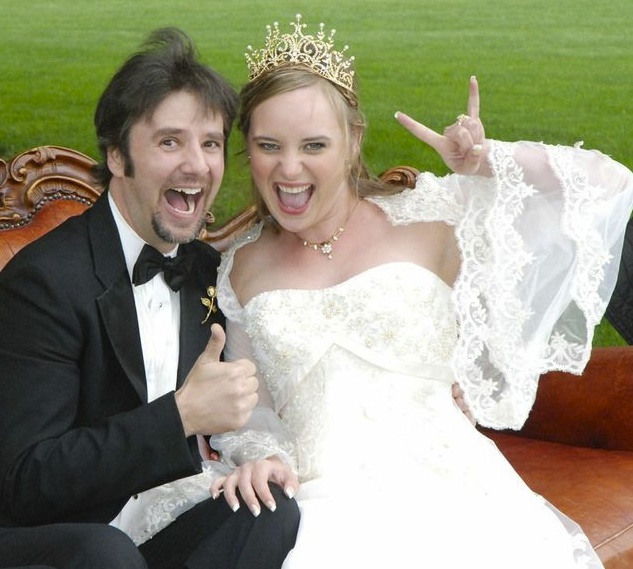
Well, I don’t even know how long it’s been since my last post.  My daughter got married this month and, while life at the wedding-zoo was fun and magical and fascinating and celebratory and emotional and very, very important, I was still relieved to take the last guest to the airport at the end of it all and return to an empty home.

Silence cannot…I repeat cannot…be overrated.

A few of my favorite highlights:

1) Daughter is a costume maker and she and old friend Bombshell Bridesmaid dressed up one night in an authentic can-can dress and 17th century French court dress to go to a local, Idaho bar.  When I asked her she grinned and said nobody paid much attention because “they all know me by now.”

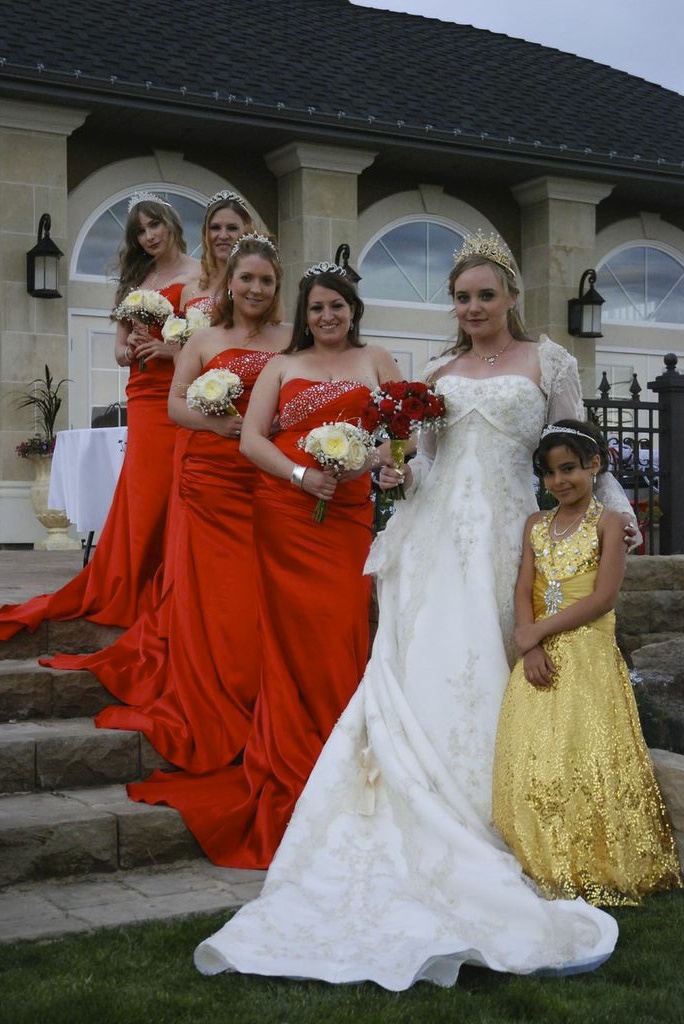
2) All the girls wore crowns. Daughter loves crowns and feels everyone should have them.  She sometimes wears one on bike rides.

Wedding - 184

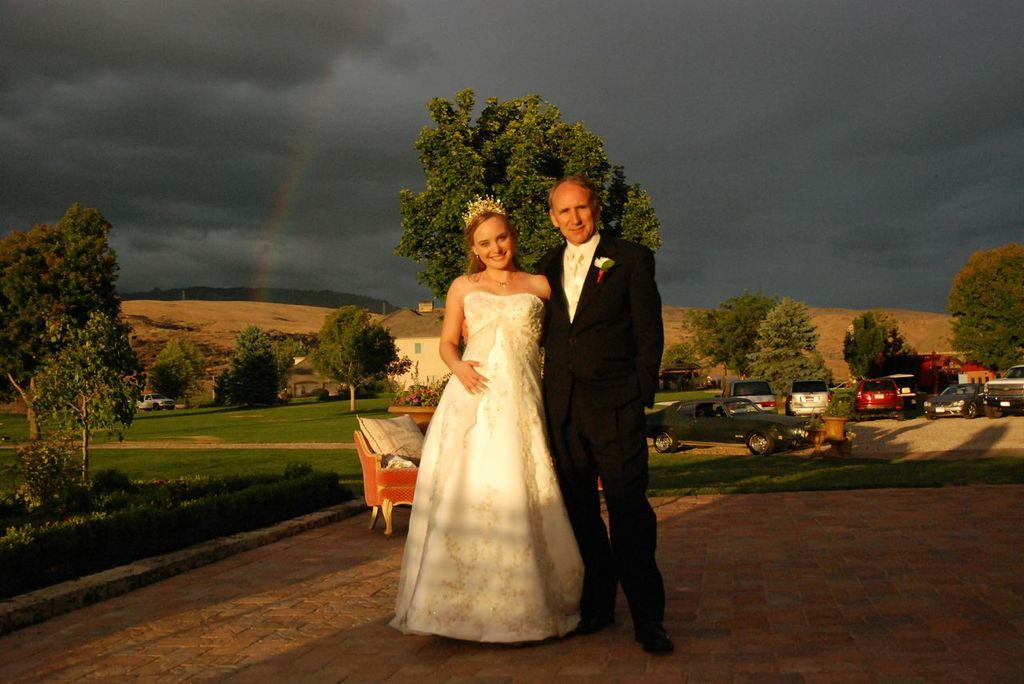
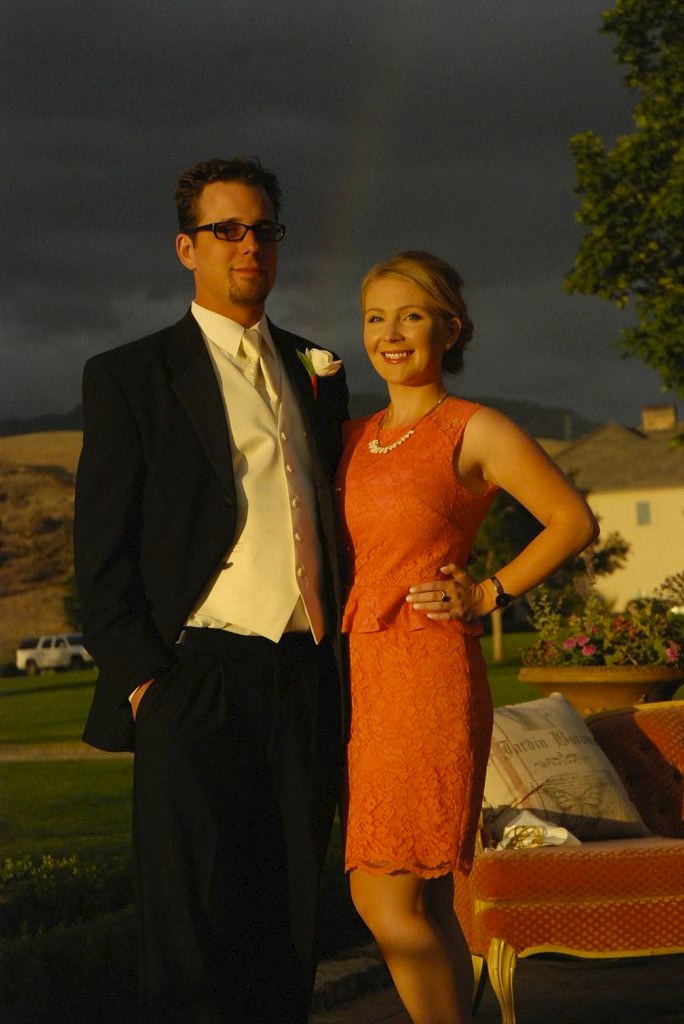
3) Daughter loves a production and enrolled the weather gods to help.  After a heat wave that lasted weeks the wedding day dawned overcast and chilly with breezes.  Black storm clouds rolled in during the garden ceremony (with the wind occasionally blowing over the microphone to sound like thunder…pure genius) but nary a drop of rain ever fell.  Shortly before sunset the light broke through to make a rainbow that lasted close to half an hour for photo ops.  I mean really.  Bravo you guys.

t874HM-kPfYP_UYG5ZalMxvCE2_LBPGP6uUEQT0fYe0,T76slxT9qlalPlZYssExNLznPE2E9QgR7ZuGvyoIZqU

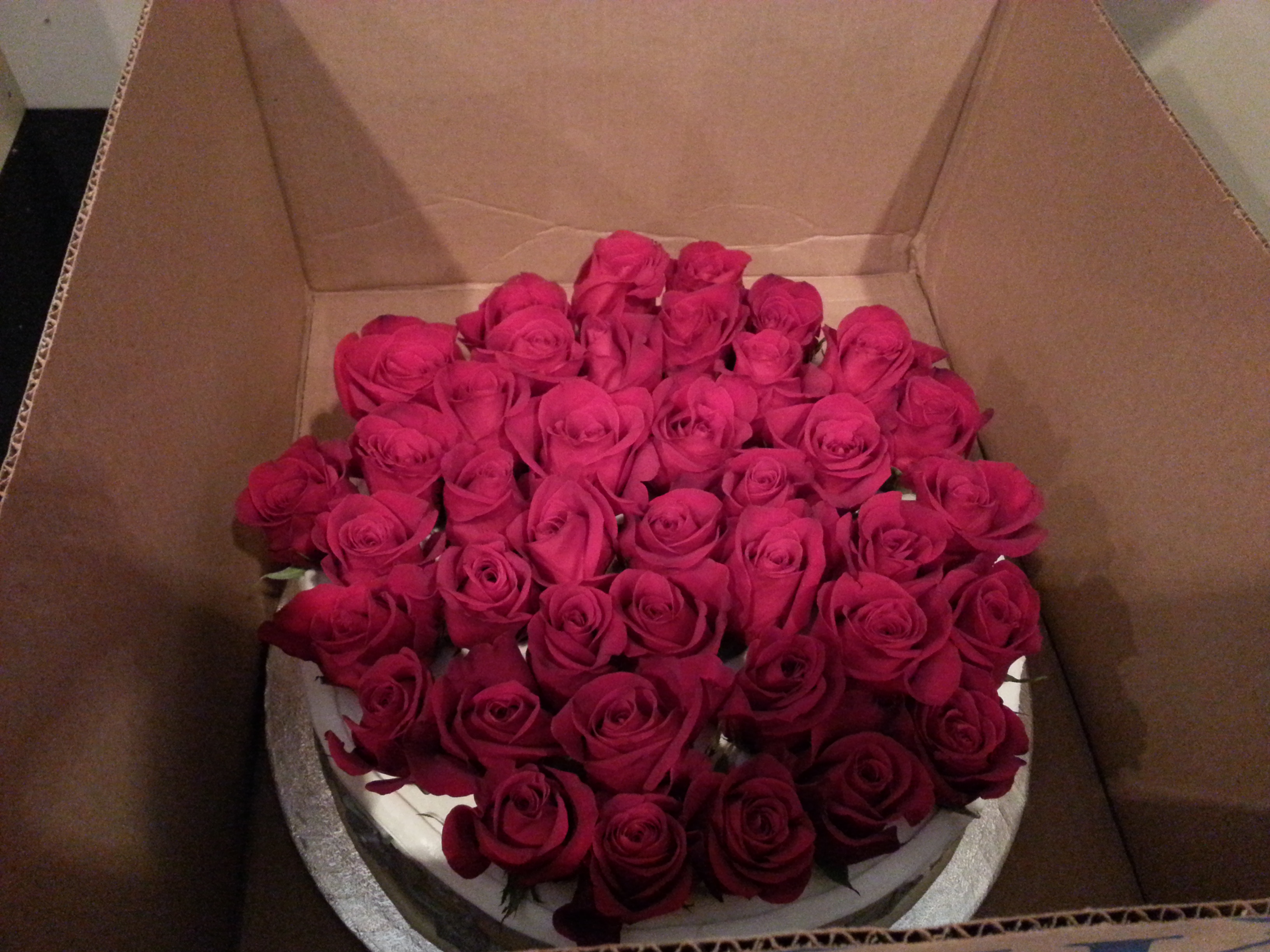
4) The original wedding cake (a bass drum in honor of the drummer groom-now-son) slid off onto the baker’s garage floor during transport.  This was the back-up cake.  Note protective box.

20130621_203355

The baker deserves a medal for this.  I mean, really.  Stunning.

5) The stylist for the girls was a no-show.  Enter, Son’s Bay Area girlfriend who just happened to have all the make-up and styling equipment necessary to prep five women for a wedding.  She swooped in and made them all gorgeous then zipped off to whip together her own exquisite coiffe.  (Who was that masked woman?!!)

Wedding - 271

7) Daughter and New Son just laughed, drank champagne, and waved every setback off.  They were totally in it for the ride.

8) Daughter included the promise to obey in her vows!  Naturally, nobody believed it but the dramatic effect was magnificent.

6) My aunt who’s a quilt maker pulled an unfinished quilt out of mothballs that my great grandmother started close to seventy years ago.  Originally pieced together from old pajamas, shirts, and house dresses but never backed, quilted, or edged, it passed first to my grandmother then my aunt fifty years ago.  Aunt decided it was high time to finish the thing in honor of great-great granddaughter’s marriage and I can’t be certain but it felt like the full lineage of matriarchs was present for the opening of the gift.  (Great group of old broads btw.  They were no doubt cracking bawdy jokes about the wedding night.)

On a serious note, I feel very, very fortunate that my daughter chose a good, kind, unflappable man with a huge heart and a quick brain, and that the two of them are SO well matched: eccentric, artistic, and profoundly laid back.  She can happily dance to his drumming for hours and he genuinely enjoys the weird and wonderful way she so often dresses.  Really, it’s kind of heartening that two such odd ducks could even find each other in a huge world full of trillions of people  like this, and even more surprising that they actually got married since I thought they’d just live together happily ever after.  Life is a mysterious, generous, magical thing sometimes.  It truly is.

To my daughter and new son: With all my heart I wish you a long and beautiful life together full of love, courage, willingness, and continued trust and faith in one another.  May the storm clouds forever mass on your horizons for dramatic effect, never actually break, and delight you afterwards with enduring rainbows.

I do so love you both,

Mom

p.s. I’ll cover Random Hot Tip About Dying #5 in my next post.  It seemed a little incongruous to add it here, even to me.

Random Hot Tip About Dying #4

(This post is continued from…wait for it…Random Hot Tip About Dying #3.)

Up next:

Tip #4: A “good death” is good for everyone.  A “bad death” is bad for everyone.  As a group we need to be shooting for a lot more good deaths than we are.

This tip is proving a lot harder to explain than the first three, perhaps because I only came to understand it myself by accident.  The way that each person dies affects FAR more than just the person who’s dying and those immediately around them, but I didn’t really understand that at first even though it seems so obvious now.  I arrived at the insight as a side effect of two other things I was doing:

1) Observing a lot of people die in a variety of ways from an assortment of causes while working with hospice, and

2) Listening to a lot of additional people tell me stories about their exposure to death and dying ranging from war zones, to murder and suicide, to accidents and mistakes, to emergency rooms and ICU’s, to the experiences of a friend during his brief stint working in a slaughter house long, long ago.

(And yes, animals, too, can die both good and bad deaths which yield a lasting influence…something else to think about.)

I’m not a counselor or anything, I’m just interested in people and like to hear their stories…which was usually all the prompting needed.  It was a little disconcerting to learn how many people there are out there who want and need to talk about these events with almost no chance to do so.

On the other hand, it was very heartening to see how much being able to talk about it…even once with a complete stranger…could help them.  It was like watching someone carrying a boulder around on their back finally put it down and rest for a bit.

Anyway, I discovered a trend that’s also been born out in the research (and is actually just common sense.) People who experienced someone dying badly suffered more lasting trauma than people who witnessed someone dying well.  They wound up needing more help themselves to deal with the trauma afterwards, it took them longer to recover and often only partially, they were less productive in their lives than they had been before the experience occurred, and their trauma translated into varying degrees of additional burden for the people who loved them.

And then these other people wound up passing on some of the burden on to their extended world.  And so on.

It’s the ripple effect.  Think of each death as a rock getting dropped into a pond, they all disturb the stillness of the water.  Each time someone dies the fierce energy it creates spreads out into their extended world and a whole lot of people…both loved ones and perfect strangers…wind up getting rocked by it.  Sometimes small rocking, sometimes capsizing.  Depending on how any one person dies it can eventually result in disability, alcoholism or drug abuse, divorce, bankruptcy, dropping out of school, estrangement, broken families, job loss, business failure, phobias, health breakdowns, and on and on.

Dying is an incredibly powerful force.  It just is.  That’s not something we can change.  But we could certainly do a better job of managing that force than we have been.  There are so many things that can be done to minimize the damaging influences and maximize the powerful healing potential that’s also available.

We really do have some control over the size of the rocks going into the pond.

So what’s the difference between a good death and a bad one?

First of all, a good death is not a black and white thing…which probably contributes to a lot of the confusion about what it is.  A good death doesn’t mean that you have to die in old age in your sleep, lying on white linen with hands folded over your breast and a beatific smile on your lips, all your loved ones sitting around the bed waving flowers and joyfully singing hallelujah, take them home.  Far from it.  It can happen in an infinite number of ways.  A good death can even be pulled out of raging carnage at the last minute sometimes.

(Seriously, you wouldn’t believe how powerful last words and gestures and other interesting phenomena can be.  They can have an effect that appears damn well miraculous to the naked eye. If we really understood as a society the force that’s available during that little window of time, and everyone started learning how to consciously harness it and put it to good use instead of allowing it to just randomly blow lives up the way we tend to now…well, I don’t know what would happen exactly.

But I suspect the rippling, transformative effect on our communities would be similar to the transformative effect it already has on the individuals directly involved.  Only collectively.  And if I’m right, there’d be a lot more hope, courage, and recovery going on and lot less crippling dread and futile treatment.)

Anyway, here are just a few things that can contribute to a bad death and increased trauma for everyone involved:

Violence, suddenness, youth, futile treatments, isolation, regrets, denial, poor communication, lack of control, abandonment, ignorance of the process, previous experience with bad deaths, in-fighting, lack of cohesion among loved ones, confusion, medical mistakes, insurance problems, uncontrolled symptoms, selfishness, poor quality care, and lack of help and guidance among others.

The list really does go on and on but I personally would put poor communication and lack of help and guidance at the top.  With those two in place it’s far harder for the others to breed and multiply the way they tend to otherwise.

Obviously, some of these things are harder to manage than others.  Accidental and violent deaths tend to cause the most damaging ripples, but a couple of ways these deaths are converted into good deaths is if they at least happen while the person’s doing something they believe in or love, or if some meaningful change can be effected in the world because of their death. It’s when they’re entirely random or pointless that recovery becomes most difficult.

Suicide, of course, is generally held to be the king of bad deaths.

Having said all that though, sudden or very quick death only happens to roughly 10% of the population.  The window in which to work on a good or bad death is going to be longer for the other 90% of us.

So what contributes to a good death?

Good communication, good education about dying, previous experience of good deaths, a long life, acceptance of dying, good relationships, respect of the dying person’s wishes, cohesion among loved ones, palliative and hospice care and adequate insurance for both, caring about the others involved, effective treatment of symptoms, loving care, completion of end-of-life tasks, enough time to get everything done, faith in something, and valuing the life still remaining among many, many others.

Enough!  I’m at about a million words now and have worked on this post for three weeks.  I really need to let this go now.

Next up: Random Hot Tip #5: There’s some version of an afterlife/afterwards for everyone.  Pick yours and start making it work for you now.


There is good in people.

And today a post about not dying. Some of these will take your breath away.  The instinct to protect life runs so very, very deep and it fills me with awe.

BTW, I found this video posted on Glenn Folkes blog here for anyone interested. He just started “following” me so of course I went to check him out, and even though his focus seems to be blogging to generate income, it looks like he offers a smattering of other quality content as well.  Anyway, I figured he deserved a plug for this one.  Thank you Glenn.

Random Hot Tip About Dying #3

(And now that the Modo Adventure has come to it’s happy conclusion I return to the Random Tips About Dying series.  This post is continued from Random Hot Tip About Dying #2.)

The third tip goes something like this:

3) Learn about dying from people who are familiar and comfortable with it.  The terrified can’t teach you much you don’t already know.

One evening I went to a restaurant with a convivial group of people to hang out after a community meeting.  There were about nine of us, all adults except for one young adolescent girl who accompanied her mom.

During the free-for-all discussion that rolled around the table over dessert the young girl, a devoted animal lover, shared with shining eyes that she wanted to start volunteering with the local Humane Society.  But before she could even finish the sentence her mother torpedoed the idea by telling her, “But honey you don’t understand.  They put animals down there.”

800px-Puppy_near_Coltani_-_17_apr_2010

I listened to the murmur of assent rising from everyone else at the table and watched the girl’s shining eyes grow stormy as one person after another tried to explain (in the kindest way) that she didn’t know what she was getting into and that, really, she wanted to stay as far away from that kind of thing as possible.

She tried to argue but no one would listen. As a group they were convinced that their deep aversion was in fact the wise and correct response.  In the meantime I was sitting there having vivid flashbacks of the same kind of reaction I received from people when I first shared that I wanted to work with hospice.

Initially, the girl was just frustrated but then I saw a kind of helplessness start to settle in as she felt the door closing on her dream of caring for vulnerable animals.  We could all see that she felt a calling deep down in that place where we get those kinds of messages, but nonetheless every set of arms present was trying to hold her back from answering it. Her shoulders finally sagged as she fell into angry silence.

I heard somebody explaining that the animals are just going to die anyway, and then there was a momentary lull as everyone nodded their heads and gazed at the girl in sympathy.

I finally spoke up.

“But, you guys,” I looked around the table as every head swung my way.  “They still need love before they die. Even more so.”

I watched as each face registered first surprise, then a dawning thoughtfulness as they considered this other perspective.  In the meantime, the girl looked like a wilting flower that had just been watered.

She sat back up, smiled, and said, “Yeah. YEAH!  That’s what I mean, that’s what I wanna do! I’m not afraid of them dying.”

She waxed on with renewed enthusiasm for about a minute as everybody else sat and digested the idea.  Then one of the men turned towards me with a puzzled smile and said, “I never thought of it like that but it’s really true. Why didn’t I think of that before?”

Which leads me back to tip #3.  This story is a prime example of what a closed loop looks like.  Everyone sitting at that table believed the same thing: that dying was something repugnant and horrible to be avoided at all costs, even if it meant abandoning a group of vulnerable animals and thwarting a young girl’s dream in the process. And because they all believed it, all they could do is reinforce and confirm each other’s belief.

Please understand, it’s not that they didn’t care about all those dogs and cats at the shelter.  They did, a lot. Boise is a powerful animal advocacy town and the adoption rates are actually higher here than most of the country.  We love our four-footed friends around here, we really do.

But in this case, the group’s fear of dying outweighed their love for animals for the simple reason that they’d never been presented with a different perspective from someone who didn’t believe that dying is repugnant and horrible and to be avoided at all costs.  Granted people like that are a minority in the population right now, but there are more of us than you’d think and the numbers are growing.  Finding someone who’s familiar and comfortable with dying isn’t nearly as hard as it used to be.

I should add that this story is a prime example of something else that bears noting: There’s a pernicious subconscious assumption permeating our cultural view that anything dying is already as good as dead.  This one drives me nuts.  It’s not true.  NOT TRUE.

NOT. TRUE. AT. ALL.

Dying animals and people are still very, very, very much alive and, more than almost any other time of life, they need to be gathered in, supported, nourished, and loved…NOT abandoned.  (That is, of course, unless they want to crawl off into the bushes and die alone in which case I’m all for respecting their wishes.  But that’s different than abandoning them.)

In a future post I’d like to publish a list of links to posts, articles, and other resources that  provide a view of dying that’s more holistic than the current, entrenched one. It’s a view that acknowledges the hardships involved but also reveals the moving and luminous beauty that involved in life at it’s last.  But that will take some time to assemble so not today.

Next post should be about Random Tip #4: A “good death” is good for everyone.  A “bad death” is bad for everyone.  As a group we need to be shooting for a lot more good deaths than we are.

copyright Dia Osborn 2013

P.S. The photo of the adorable Doberman puppy above is from a Wikipedia article about dogs and can be found here.

P.P.S. Here are the previous posts in this series:

Five Randomly Useful Hot Tips About Dying

Random Hot Tip About Dying #1 and Follow Through

Random Hot Tip About Dying #2

Modo’s precarious beginning.

Here’s about four minutes of video I took of Modo day before yesterday while I was trying to assess his chances for survival.  For those who missed it, he’s a little hunchback duckling I found in the middle of our driveway.  He’d fallen over and couldn’t get back up so the mother had to leave him.

Pretty adorable.

Random Hot Tip About Dying #2

This post is a continuation (well done, me!) from the last one: Important Writing Skill: Follow Through.

Random Hot Tip About Dying #2 went something like this:

“Accepting dying might not always make it easier when it comes, but being horrified is guaranteed to make it worse.”

Once upon a time on a flight from Denver to St. Louis I found myself seated next to a late-boarding, extremely chatty, middle-aged woman from New Jersey who kept up a non-stop flow of conversation with everyone who would listen from the minute she first came through the front door till I got off the plane in Missouri.  I’m fairly friendly when I travel but this woman put me to shame.

I was on the aisle, she was in the middle, and a handsome thirty-ish man sat next to the window on her left.  Predictably, she engaged Mr. Handsome first and they conversed for close to half an hour before she finally turned towards me, smiled brightly, and commenced her interrogation.  We got through where are you coming from? and where are you headed? in less than a minute after which she asked me the question I’d been waiting for: So what do you do?

I smiled and said, “I work with hospice,” then sat back to watch the show.

She didn’t fail me.  In fact, she was magnificent, it was hands down the best display I’ve ever seen.  She froze at the word hospice and went pale, eyes widening and mouth forming itself into a mute little “o” as if she’d just discovered she was sitting next to the grim reaper.  She stared into my eyes for probably ten full seconds (which is a very long time to just sit there and stare at a complete stranger without saying a word…go ahead, time it) and then turned her back on me and engaged Mr. Handsome in forced conversation for the rest of the flight.

I chuckled and went back to my book.

Paul_Gustave_Dore_Raven1

Illustration of Edgar Allan Poe’s Raven by Gustave Dore (1832-1883)

Her reaction was extreme but hardly unusual.  I’d guess somewhere around ninety to ninety-five percent of the people I told over the years fell somewhere along this squirming-to-bugeyed spectrum when they learned that I worked with the dying.  Only a handful were open and willing to talk about it, which tells you something about us.

Needless to say I never chuckled when I saw this kind of horror in a person who was currently dying, or someone who loved that person who was dying, mainly because it’s so. not. funny. in real-time.  It’s tragic.  In the person who’s dying it can produce varying degrees of self-loathing and bitterness, while in a loved one it either keeps them away or, if they do force themselves to swing by and stand uneasily near the bedside for a half hour, it can make the dying person feel so bad that they wish they hadn’t come.

Look.  Dying is challenging, even for those who are ready for it.  I’d be lying to you if I told you otherwise. Physiologically, it’s full of graphic processes that are uncomfortable, undignified, and unlovely.  Emotionally, saying good-bye to everything you’ve ever known and loved is a bitch.  And existentially, everyone has to face that this is it and decide what kind of afterwards they’re looking at and deal with that if necessary.

It’s a lot of work, but just like any other kind of work, how you approach it makes a world of difference.  During my years in hospice I saw a lot of people die well, with dignity and humor and sorrow and regret and suffering and love and acceptance all bundled together in a final package of overall grace.  Without exception, these were people who eventually accepted that they were dying and found something in their life to care about to the last anyway.

And BTW, they didn’t do it alone.  They did it with a lot of help and support from those who loved them, as well as the hospice team who was working like crazy to make it happen for them.

I should mention here that everyone is a little bit horror/little bit grace when it comes to dying. That’s part of being human, to encompass the full range, and if you find you’re currently coming down hard on the horror side of things, don’t worry.  It’s perfectly normal for the shift to acceptance to be gradual and erratic and to some degree it keeps happening all the way to the end.

But it does take effort which is why accepting dying is a good goal to set your sights on now, wherever you are in your life.  It can not only improve the quality of your dying time when it comes, it can also improve the quality of your life long before then.  Not to mention that it also improves the quality of life for everyone else you know who’ll be dying before you do.  Dying is a social activity that affects the entire community so ideally we’d all be pitching in to support and include whoever’s turn it is more than we do.

Trust me, whether you’re dying yourself or visiting someone else so engaged, compassion and acceptance will do far more good than revulsion and dread ever could.  Dying is hard enough work without piling that on top of it, too.

copyright Dia Osborn 2013

Random Hot Tip About Dying #1 and Follow Through

Finish

(This photo is borrowed from an excellent post on the blog Prof KRG dealing with the same challenge from a different angle.  Useful stuff, here.)  

There are two things I’d like to cover in this post:

1)  Finishing (or not) what I start.

2) Explaining Hot Tip #1 About Dying from my last post as I (hinted suggested prevaricated half-promised wiggled and sleazed) mentioned I might.

Finishing what I start.

Follow through, where writing is concerned, is not my strong point.  I know it.  My writer’s group knows it.  Anyone who’s seen the three-year old I gotta copyright it for the book, man… notice in my sidebar and yet can find nothing else about the book anywhere on this blog has probably figured it out by now.  I’m in serious danger of turning into a writer’s cautionary tale, an Aesop’s fable about what happens when you never actually finish any of the writing you start.  (Hint: You eventually turn into a fattening, graying dilettante who spends the rest of her life writing flashy first chapters and then basking in the dwindling number of wows she gets from the dwindling number of readers who have a dwindling tolerance level for that kind of tease.)

I’m not there yet although my fear of it is rising exponentially because I’ve just launched my fourth major assault in six years on this book I’m trying to write.  It’s morphed from non-fiction into creative non-fiction into fiction.  From a kind of helpful guide into a memoir into an imaginary story.  It looks nothing…nothing…like any previous version and deep down I’m now terrified that I’m just swimming around in circles but consoling myself that at least I’m covering a lot of miles.

There are only two possibilities left:  Either it’s a structural/voice problem as I keep telling myself, or it’s a basic discipline/courage problem.

And actually, as I was writing the above I realized it’s both.  But the second problem is bigger.

It’s not that I don’t spend hours writing everyday, I do.  My butt time is duly noted and logged every morning just like it’s supposed to be.  No.  The problem is that I spend those hours writing, then rewriting, then micro-rewriting the same sentence/paragraph/page over and over again because I’m absolutely terrified of writing something that will make me look stupid/bad/inept/untalented, and because it’s a whole lot less risky to edit than create.  (Like right now I’m thinking of shelving this post because it’s already too long and who cares about my writing process anyway you narcissist and why can’t I just distill it into the heart and soul of the thing instead of using three million fucking words for a blog post and I’ve now reread/tweaked this paragraph seven times because I’m too scared to keep going…you get the picture.)

This has got to change.  Today I’ll take a stab at it with a baby step.  I’ll follow through on something I wanted to do after my last blog post, which brings me to my second object with this post:

Explaining Random Hot Tip About Dying #1 from my last post.  For those who don’t remember, the tip goes something like this:

“Dying is as much a gift as it is a punishment.  Pick which view to invest in carefully as it will affect your entire life.”

The gift-part can be a little difficult to see, especially if you’re not that familiar with dying. But there are actually a lot of gifts and they tend to be profound.

(Like, for instance, if I never finish my book at least I’ll eventually die and be done with it.)

I’m kidding…kind of…but it’s still true.  For me, as a long-time depressive, the knowledge that none of the dark periods I cycle through can last forever has lent me endurance more times than I can count, and actually saved my life on the two hardest days when I finally lost hope.

The dying people I worked with gave me another gift I’ll never be able to repay. It was while I was with them, listening to all the stories about living from those facing certain death, that I finally learned the secret of  how to long for my own life.

They also taught me about how dying can be a final act of generosity, a way of saying I’ve loved this life so dearly but have taken enough for myself. It’s someone else’s turn now, to come into the world and stand where I’ve stood, to love what I’ve loved. Thank you.

And in allowing me to watch the way their beautiful, tender, wasting bodies were unravelling and vanishing they taught me about the difference between life and Life.  How biological existence is one kind of luminous miracle, how the consciousness rising within it is a second, and how the love those two things wind up generating between them is the third and greatest miracle that transcends and outlasts them both.

But I’m getting mystical again…which, honestly, I can’t really help but need to at least try and curb a little.

In any case, these are just a handful of the gifts that I discovered about dying.  There are more, lots more, but in the end each person has to delve in and discover their own, and they’ll be different for everyone.  It’s worth the effort because it can help to change the lifelong prospect of dying from something horrible, unnecessary, miserable, and bleak to something that’s a little more helpful, even nourishing, to the life we get to live until then.

So that’s it.  I’ve actually finished follow-up baby step #1!  My confidence is building.

Next up: A post explaining Random Hot Tip About Dying #2 which goes something like this:

“Accepting dying might not always make it easier when it comes, but being horrified is guaranteed to make it worse.”  

Now if I can just press the publish button I’ll be in business.

copyright Dia Osborn 2013

Five Randomly Useful Hot Tips About Dying

(Quick note: These tips refer to dying, not death. I don’t have any hot tips for death yet. For those confused on the difference, dying is that thing we do at the end while we’re still very much alive.  –Editor)

1) Dying is as much a gift as it is a punishment.  Pick which view to invest in carefully as it will affect your entire life.

2) Accepting dying might not always make it easier when it comes, but being horrified is guaranteed to make it worse.  (Trust me on this one.)

3) Learn about dying from people who are familiar and comfortable with it.  The terrified can’t teach you much you don’t already know.

4) A “good death” is good for everyone.  A “bad death” is bad for everyone.  As a group we need to be shooting for a lot more good deaths than we are.

5) There’s some version of an afterlife/afterwards for everyone.  Pick yours and start making it work for you now.

If I don’t get distracted by another idea (a big if these days) I’ll try and elaborate on these tips in upcoming posts.  I imagine they probably need it.

copyright Dia Osborn 2013

Life’s glorious illusion

Zan_Zig_performing_with_rabbit_and_roses,_magician_poster,_1899-2

It’s something, to watch a person die.  It truly is.  It’s amazing to watch them being born, too, which I’ve also done, the way that one moment there are three or four people in the room and then the next there’s a fifth only nobody came through the door.  It’s like magic.  Like watching someone pull a rabbit out of a hat, only a gooey one, with no fur and a weird shaped head.

Watching a person die is like magic, too, only rather than someone appearing out of nowhere it’s more like watching them climb in a box and get sawed in half.  One moment they’re all in one piece and waving at you and then the next they’re split in two, a body on one side of the box and the life it used to contain on the other, and for all you’re worth, you can’t figure out how it was done.

I was shocked, the first time I saw it. Maybe the second and third time, too, or longer even, but sooner or later I started to get the hang of it and the shock wore off.  I stopped being offended by the indignities involved, which then made it easier to notice some of the other details.

Like the fact that afterwards, there’s this beautiful leftover body lying on the bed which, it suddenly becomes crystal clear, really, truly is just a body, a big bag of physical stuff that all by itself, God bless its little heart, can’t do a whole lot.  I always knew that’s what it was of course but still, I didn’t really.  I kept forgetting because it was wearing this delightful, shimmering life disguise, kind of like puffed-up peacock plumage full of rainbows and a million eyes, and it made that body look like it was more, a lot more, than just a physical bag of stuff.

It’s a helluva trick.

But still, in the end, it is what it is and has to revert to form.  I watched my first person die, my grandmother, and was stunned when her amazing, beautiful body went limp on the bed like it did.  It looked so helpless and vulnerable and smaller somehow, lying there all by itself, and I got confused. It was like someone had just pulled a big, velvet curtain back to expose the little man standing behind it with nary a wizard to be seen.  Huh-oh, I thought, and then couldn’t stop staring because it just looked so wrong. 

But that was the first time, when I was inexperienced and didn’t know any better.  Eventually though, when I got more used to it, the whole idea of a body without a life inside it turned out to be more okay than I thought.  Left to their own devices bodies, like exposed wizard imposters, are actually kind of endearing in their own fragile, comical kind of way, and when I stopped expecting them to be great and all-powerful it was a lot easier to see their smaller body-specific joys and relax.  To laugh a little and enjoy the illusion.

I was lucky to have the opportunity to see it again and again like I did…how a body and the life it contains whisper their lingering farewells and then go their separate ways.  It gave me a chance to get over the first shock and discover the mistake I’d been making, that a body really, truly is just a body and that I can still love it anyway.  Wildly and more than ever.

It would have been such a bummer to only see someone die once and then be left forever afterwards, stuck in the shock and confusion.  I wish more people could be as fortunate as me.

I wonder if it would help others be less afraid of being there for those who are dying?  Maybe even help them recover more quickly afterwards with at least one of the traumas involved lightened a little.

copyright Dia Osborn 2013